


 |
|All three versions again have in common that they are subjected to a cryogenic treatment to increase conductivity. During the cryogenic processing of the metal components, they are exposed to extreme cooling temperatures of around minus 196 degrees Celsius. This causes the crystal structure of the metal to contract more and more. Alloying elements are displaced from the grain structure of the metal, which thus becomes very similar to a monocrystal. According to the manufacturer, these structural changes of the metal have measurable effects on its audio properties and lead to an increase in conductivity of six to eight percent.
The Sortz will be available in the terminations RCA, BNC and XLR as well as USB and ethernet. In the following, I will deal with the RCA versions. Despite still having the excellent Raidho TD1.2 speakers available at the beginning of the listening test, I expect only marginal changes with and without Sortz and even smaller differences between the various Sortz models. Therefore, I will first concentrate on two tracks that are very familiar to me. The first is the wonderfully lively performance of Benjamin Britten's "Simple Symphony" in the excellent recording featuring the TrondheimSolistene. The recording was made in a church and I have it at hands in its original 352.8 kilohertz format (The Nordic Sound - 2L audiophile reference recordings). From the first note the recording captivates with its great spatial depth, and the minimal reverberation of the church contributes decisively to the full round timbres. The strings sound exceptionally velvety and airy at all times. Incidentally, to avoid any misunderstandings: Don't be fooled by the word "Simple" in the track’s title. The piece is not exactly "simple" as far as the demands on the players' individual techniques are concerned, not to mention the precision that the four different movements require in their interplay with each other. Regarding my second test track, "Temptation" from the album The Girl in the Other Room by Diana Krall, no more words need to be said.

I get started with the Sortz Basic with two of them plugged into an unused left and right line input of my Erno Borbely dual mono preamp. The absolute depth of the sonic image is not much different with the Sortz Basic now, but the width of the stage got extended. Without the Sortz Basic, each instrument is surrounded by a certain space, which in direct comparison seems rather unnatural to me. With the Sortz Basic, the individual instruments are much more clearly focused in terms of their size and placement in the ensemble. The fine details of the recordings, such as the filigree pizzicato of the individual string groups or the slight reverberation of the church, become better audible. The velvety sounding of the strings may no longer be quite as spectacular, but for my taste it’s much more natural, while the airiness is still preserved. Especially with human voices, this naturalness can be heard in a particular distinct way. With "Temptation", Diana Krall now is "standing" in the room much more clearly outlined and yet completely liberated from the speakers. This makes not only the singer, but also the accompanying instruments much more tangible. Every keystroke of the piano is now enriched with micro-information, while the finest details in the spatial placement of the individual instruments are better revealed. Regardless of the music genre or recording, the music becomes more natural and calm with the Sortz Basic, but the rendition also seems to me a tad less dynamic and direct, as well as a little less forceful and energetic. Let me paraphrase that with some kind of elegant restraint.
And that's exactly what comes to an end when you switch over to the Sortz Supreme - the sound becomes stronger, fuller and more dynamic. This can be heard particularly well in "Temptation". Diana Krall’s voice has now become more voluminous. But something else changes as well: the bass is more powerful now and thus the music more expressive. This is the field where I would have least expected an improvement with the Sortz Supreme. In the "Simple Symphony", the strings in the upper registers seem a little darker to me, but again with a richer volume overall. For many, the Sortz Signature would be the perfect symbiosis of Sortz Basic and Sortz Supreme. Some of the powerful sound of the Sortz Supreme is now combined with the balanced and distinguished character of the Sortz Basic. For me, there is no doubt: the Sortz Signature offers the most balanced sound overall. However, I personally can also get to grips with the Sortz Supreme, which, with its great expressiveness, add more emotionality to the music without entailing any loss of spatiality.


-
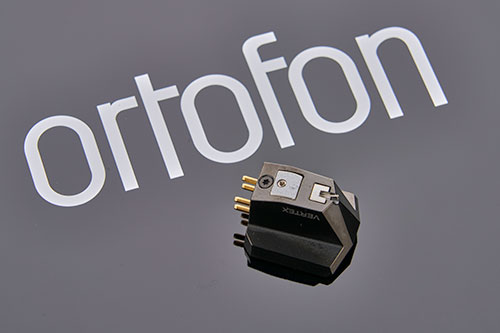
Ortofon MC Vertex
Die bisherigen Topmodelle von Ortofon, das Anna, das Anna Diamond und das Diamond, ähnelten einander auch optisch stark. Das Vertex macht schon durch sein Erscheinungsbild klar, dass es anders ist. Es ist der erste Tonabnehmer mit einem Diamanten mit Vertex-Schliff. Soweit mir bekannt, ist das der erste neue Nadelschliff seit rund 40 Jahren. Aber das ist nicht die einzige Veränderung gegenüber dem MC Diamond: Der Generator des Vertex besitzt einen deutlich höheren Innenwiderstand, die Nadelnachgiebigkeit…15.09.2026 -
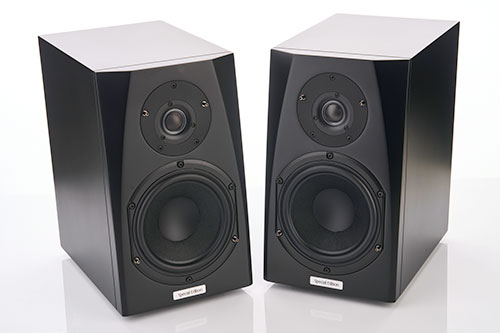
Phonar Veritas M4.2 SE
Es hat mir bislang stets Vergnügen bereitet, mich mit Phonar Lautsprechern zu beschäftigen. Nach einem Test kaufte ich die Veritas 9.2 SE und genieße seitdem ihre Musikalität. Phonar überzeugte immer wieder mit einem außergewöhnlich attraktiven Preis-Klang-Verhältnis. Bestätigt die neue, kompakte Phonar Veritas M4.2 SE diese Erfahrungen? Mein eindrucksvollstes Phonar-Erlebnis hatte ich vor zwei Jahren mit der Standbox Veritas p4.2 Next, die aktuell für einen Paarpreis von 2400 Euro auf der Phonar-Website zu sehen ist. Genau…08.09.2026 -
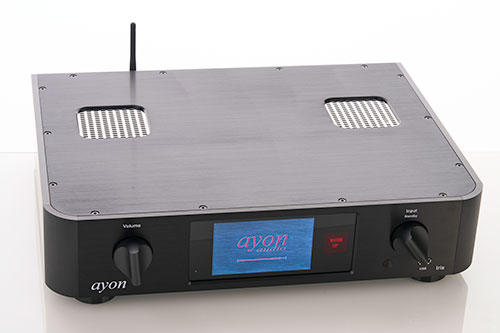
Ayon Iris Signature Streamer
Auf der High End Vienna haben Dirk Sommer und ich den Ayon Iris erstmals entdeckt – nun steht der außergewöhnliche Streaming-Player bei uns bereits zum Test. So frisch ist der Iris, dass selbst die Roon-Zertifizierung zum Testzeitpunkt noch läuft. Brandneu, doch der Iris kommt keineswegs aus dem Nichts: Wer die Entwicklung der digitalen Ayon-Komponenten verfolgt hat, erkennt eine kontinuierliche Beschäftigung mit dem Thema Streaming. Auch wir konnten diesen Weg begleiten – nach dem S3 und…01.09.2026 


-
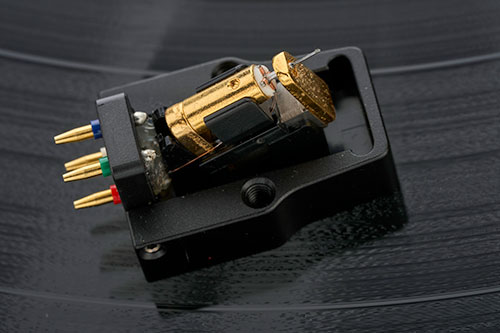
Sumiko Starling
Mein letzter Test eines Tonabnehmersystems befasste sich mit dem Sumiko Oriole. Nun drehen sich für diesen Test meine Schallplatten unter dem Sumiko Starling, dem teuersten System aus der Sumiko Referenz Serie. Nachdem ich überaus positiv überrascht vom Test des Oriole war und dies Peter Laitenberger vom deutschen ATR Vertrieb mitteilte, empfahl mir dieser mir doch einmal das Sumiko Starling anzuhören. Gesagt, getan und bereits wenige Tage später kam das kleine Päckchen mit dem Starling zu…28.08.2026 -
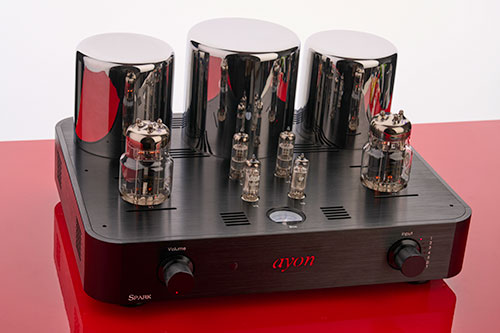
Ayon Spark V
Der Röhrenvollverstärker Spark ist mittlerweile seit über 20 Jahren ein fester Bestandteil des Produktportfolios von Ayon. Preislich eher im Einstiegssegment der Österreicher und nominell unterhalb der Evolution-Serie angesiedelt, hat dieses Gerät aufgrund der eingesetzten russischen Triode 6C33 das Potenzial zum Hidden Champion. Spätestens seit meinem Test des Boliden Ayon Crossfire Evo maße ich mir an, ein Kenner der Marke Ayon zu sein, zumal mir diverse andere Geräte der Marke im Laufe der Jahre zu Gehör…25.08.2026 -
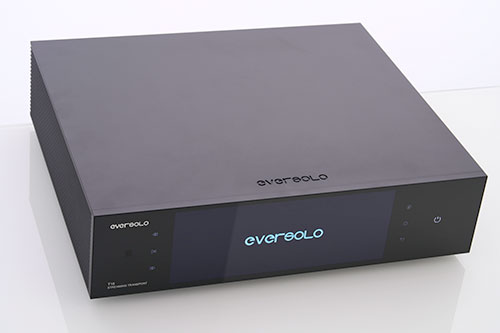
Eversolo T10
Eversolos Streamer DMP-A10 beeindruckte mit seinem hervorragenden Preis/Leistungsverhältnis und seiner prallen Ausstattungsfülle. Aber in meiner Kette im Wohnzimmer mit M-Scaler und HUGO 2 arbeitet er nur als reiner Datenlieferant. Kann das Eversolos neuer Streaming Transport T10 noch besser? Zumindest nach dem ersten Blick auf das rückseitige Anschlussfeld darf man das vermuten, denn dort befinden sich wie beim Eversolo DAC-Z10 zwei BNC-Anschlüsse für die Verbindung mit einer externen Clock, entweder mit einer Impedanz von 75 oder…21.08.2026
© 2026 | HIFISTATEMENT | netmagazine | Alle Rechte vorbehalten | Impressum | Datenschutz


Einige Hifistatement-Autoren benutzen
Qobuz Sublime+ Abonnements.

Einige Hifistatement-Autoren besitzen
eine roon Mitgliedschaft.

Einige Hifistatement-Autoren besitzen
die JPLAY hi-fi app.

Einige Hifistatement-Autoren besitzen
den Audirvana Plus 3 Music Player.